Parish churches week! So last week our seminar focused on cathedrals and the unique role these churches played in communities. This week we focus on parish churches, which were the religious communities of the laity–these were the places where your average Christian was baptized, worshiped, got married, and was buried. There were 40 parish churches in York in the Middle Ages (yes, you read that right!); 19 survive today. When all 40 were in existence, many of them were just a block or two apart. The “overchurched” nature of York meant that many of the clergy were underpaid, which could be a problem. (You may also remember, dear reader, that the church we visited last week, St Martin-cum-Gregory, was also a parish church.)
All of the parish churches in York that I have seen preserve some signs of the original Anglo-Saxon church (also often called the “pre-Conquest church, referring to churches that were in existence before William the Conqueror invaded in 1066). We don’t know a lot about Anglo-Saxon churches, but most of them appear to have been fairly simple rectangular structures. The altar was much closer to the congregation, and the priest would have stood behind the altar facing the people when he said the mass. Parish churches grew in piecemeal ways, driven in the Middle Ages by two large developments. The first was the Fourth Lateran Council, which officially established the doctrine of transubstantiation. Along with this theological change, church architecture shifted as well. Parish church altars were required to be placed against a church wall (almost always the east wall), and the priest now faced the altar, with his back to the people, when he said the Mass. As God’s presence came to be located in the elements on the altar, the priest no longer represented God to the people, but rather represented the people to God.
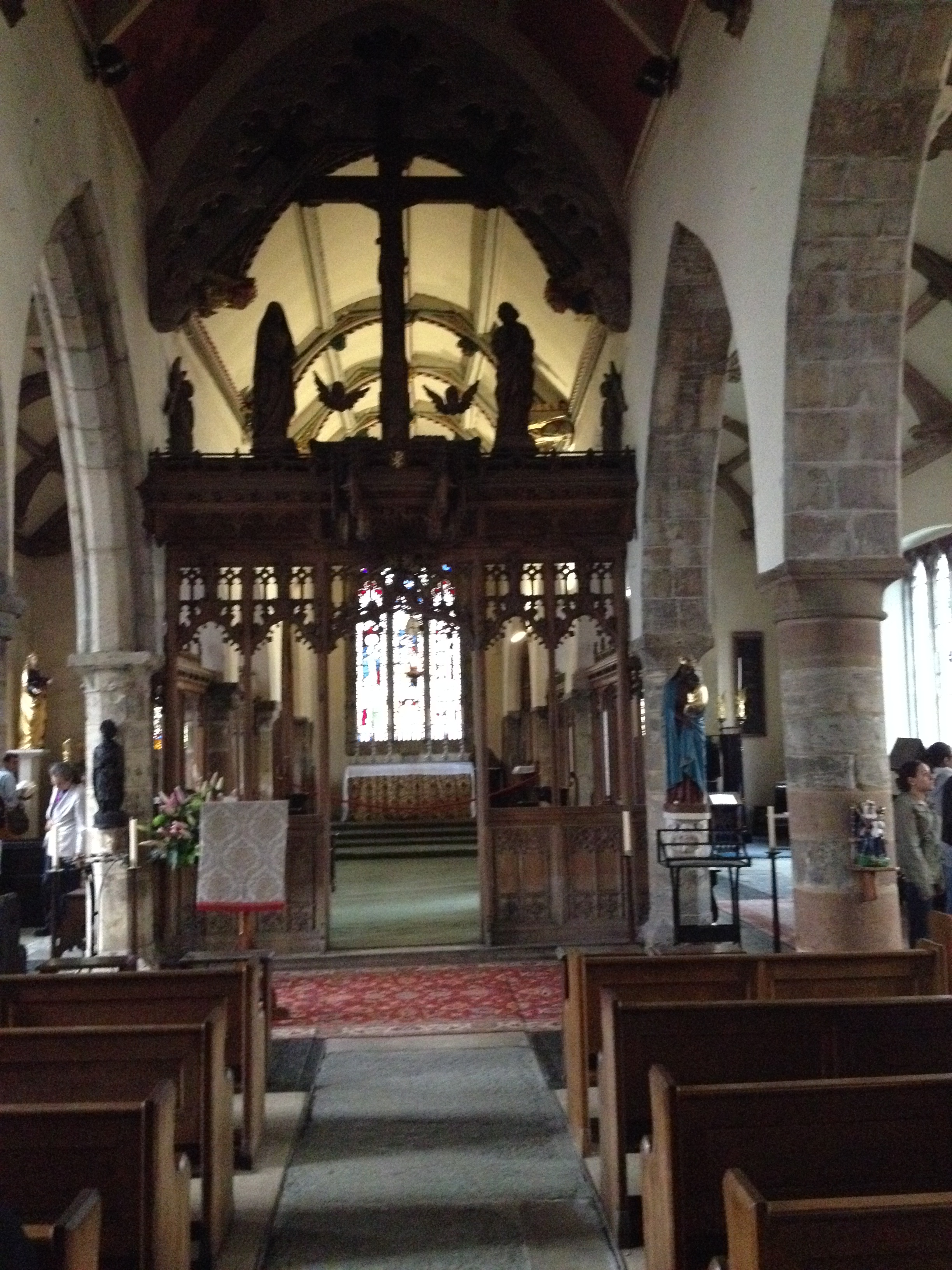
You can see the clear division between the nave (where the pews are) and the chancel in All Saints North Street.
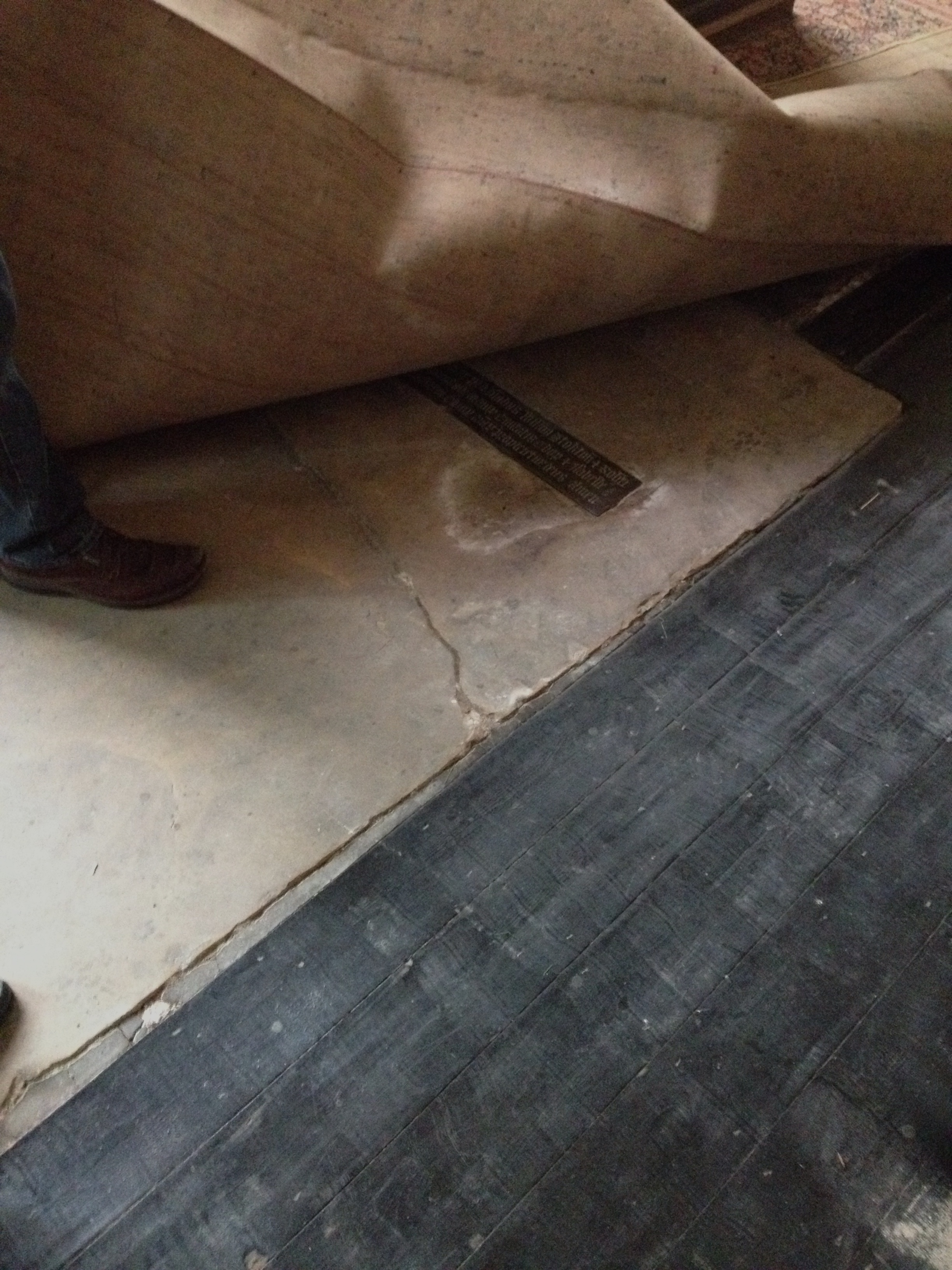
The second development had to do with changes in church teachings about the afterlife. As purgatory also became an official doctrine, communities and individuals developed a desire to pray for their dead, in an effort to speed them on their way to heaven. Well-off individuals, in particular, could choose to do a couple of things to make sure that they were remembered in a churches’ prayers and spiritual life. First, they could arrange to be buried in the church. The picture below shows a tombstone with a bronze plaque in All Saints North Street. The more well-off you were, the closer to the chancel, and hence the altar, you could arrange to be buried. You were thus both remembered by your local community, and you were likely to benefit from their prayers and devotion by way of proximity, by way of what one of our guest scholars called “theological physics.”
Wealthy congregants could also found “chantry chapels.” Chantries were places were the Mass was said (or “chanted,” hence the name) for one particular individual or family. The family or individual arranged for the chantry to be built within a parish church, and then paid for a priest to say Mass in that location (in addition to the parish priest, who served all congregants). Some chantry chapels were founded “in perpetuity” (i.e. ‘forever’), while others only remained for a set period of time. Chantry chapels were typically placed in the altars of parish churches, but for the relatively small Anglo-Saxon churches, this was often the motivation for a building expansion.
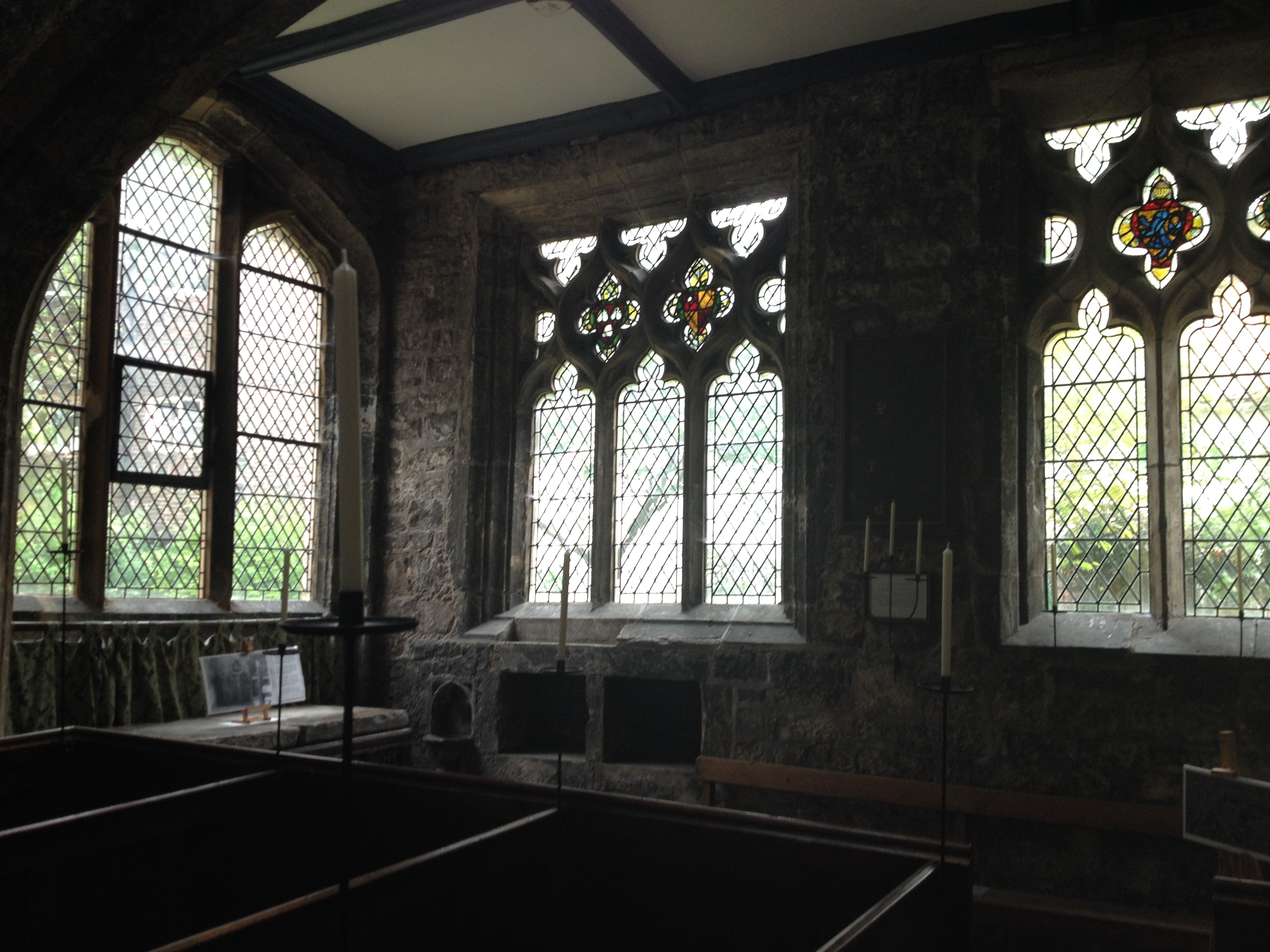
A chantry chapel at Trinity Goodramgate.
Today we visited All Saints North Street, All Saints Pavement, and Trinity Goodramgate (because church names like “All Saints” and “Trinity” are so popular, the churches have to be localized to a street or neighborhood). A few notes about each. All Saints North Street is today home to an Anglo-Catholic congregation. They recently renovated their “Lady Chapel” (a chapel devoted to the Virgin Mary). When they excavated the floor, they found remnants of a medieval statue that may have been of Mary. They had a new statue built, and the remnants have been placed to the side of the altar. All Saints also has some marvelous stained glass, including a window that contains text and images from the Prick of Conscience, a very popular didactic Middle English text. Again quoting our guest lecturer: “If the Great East Window in the Minster is a scholarly and theological reflection on all that is, the Prick of Conscience window is the Left Behind Series.” The church also had an anchorhold attached!!
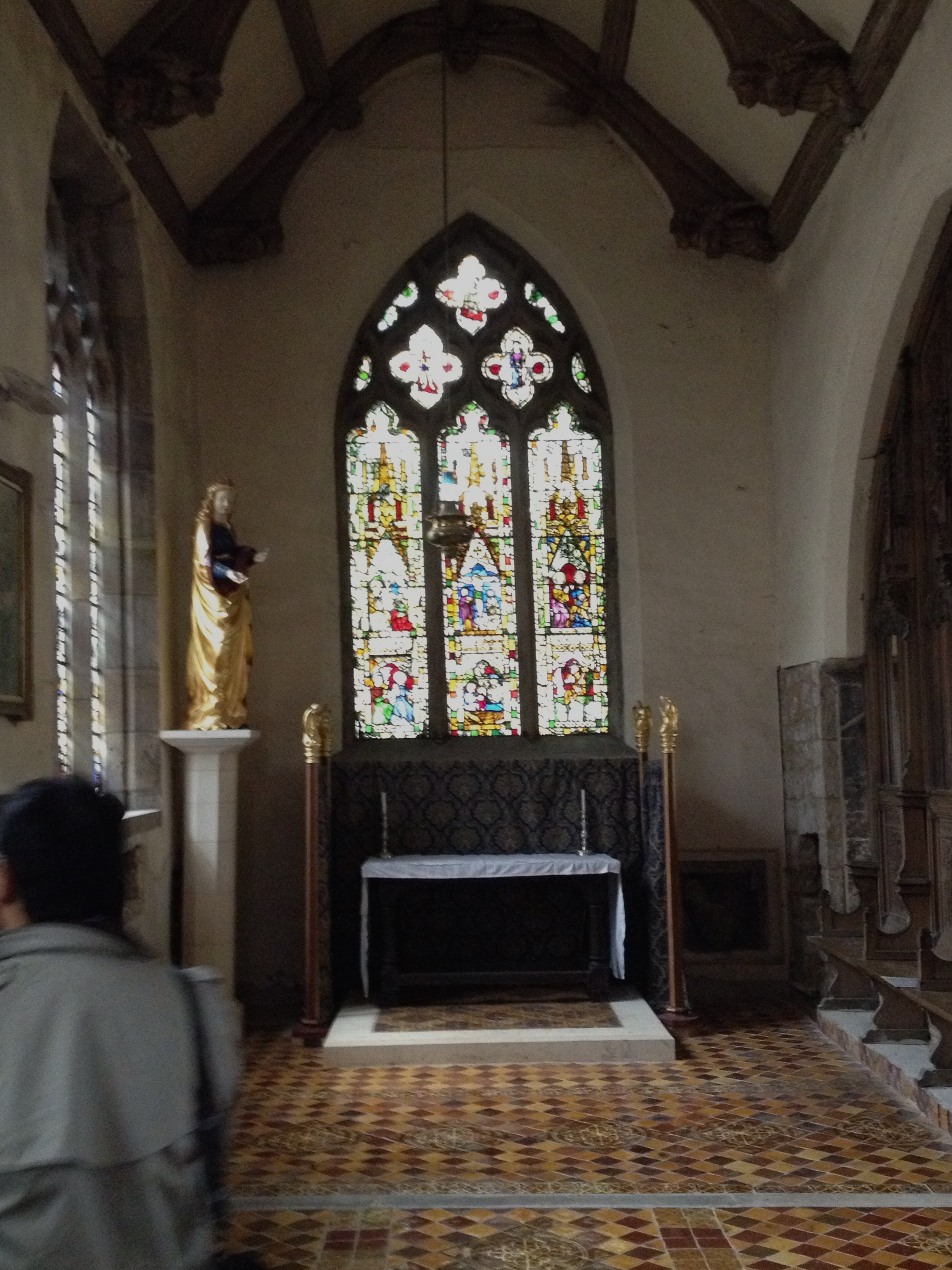
All Saints’ Lady Chapel–the statue of Mary is obviously on the left, and the remains of the former statue are down and to the right.
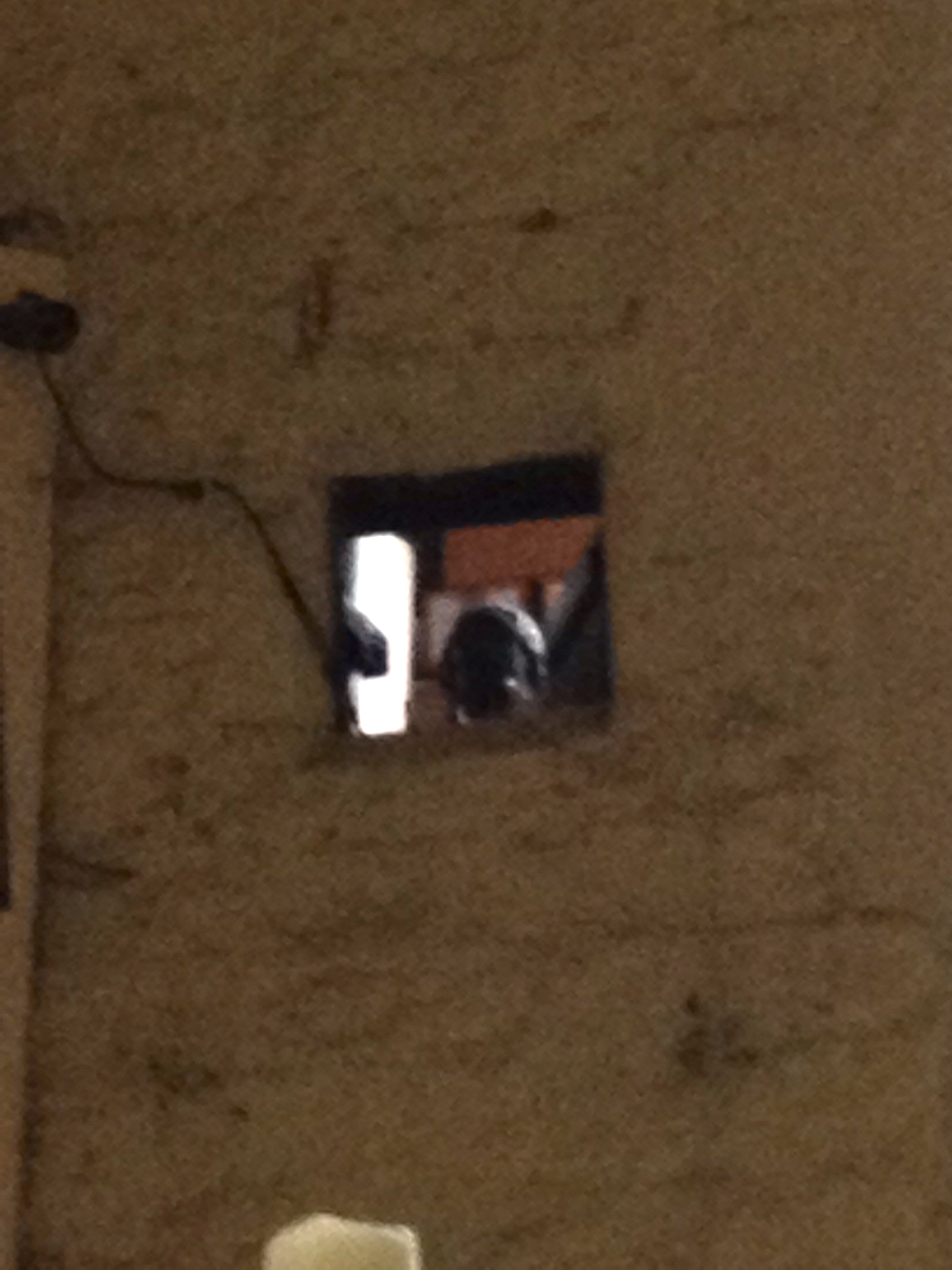
All Saints’ anchorhold! Anchorholds typically had a window facing the church’s altar, so the anchorite or anchoress could see the Mass being performed.
In All Saints Pavement, you can see where the chancel arch was removed during the reformation, in an effort to get rid of the separation between clergy and laity. They also have medieval stained glass from another parish church that was destroyed, a medieval lectern that is somehow preserved, and an awesome medieval door knocker.
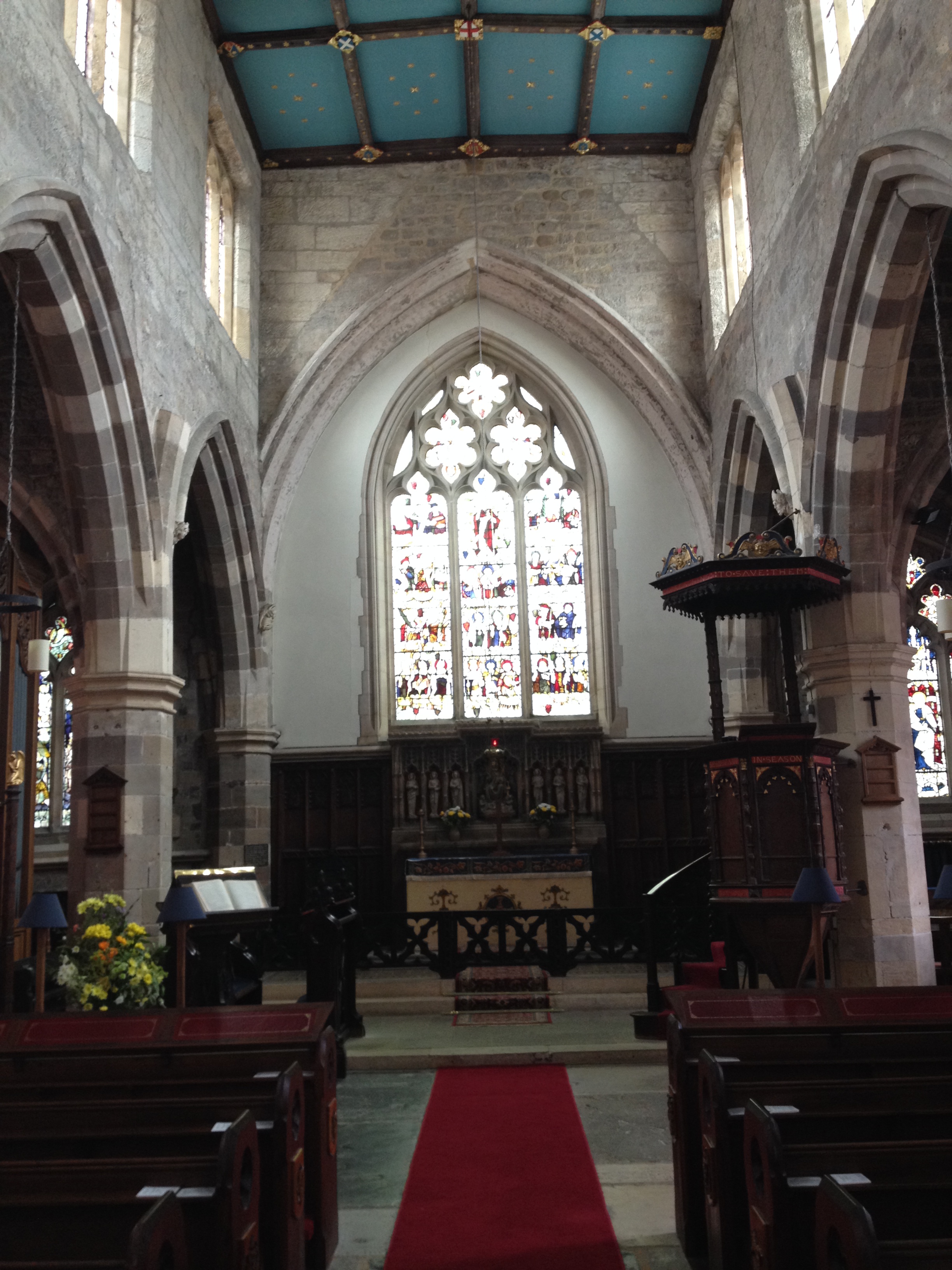
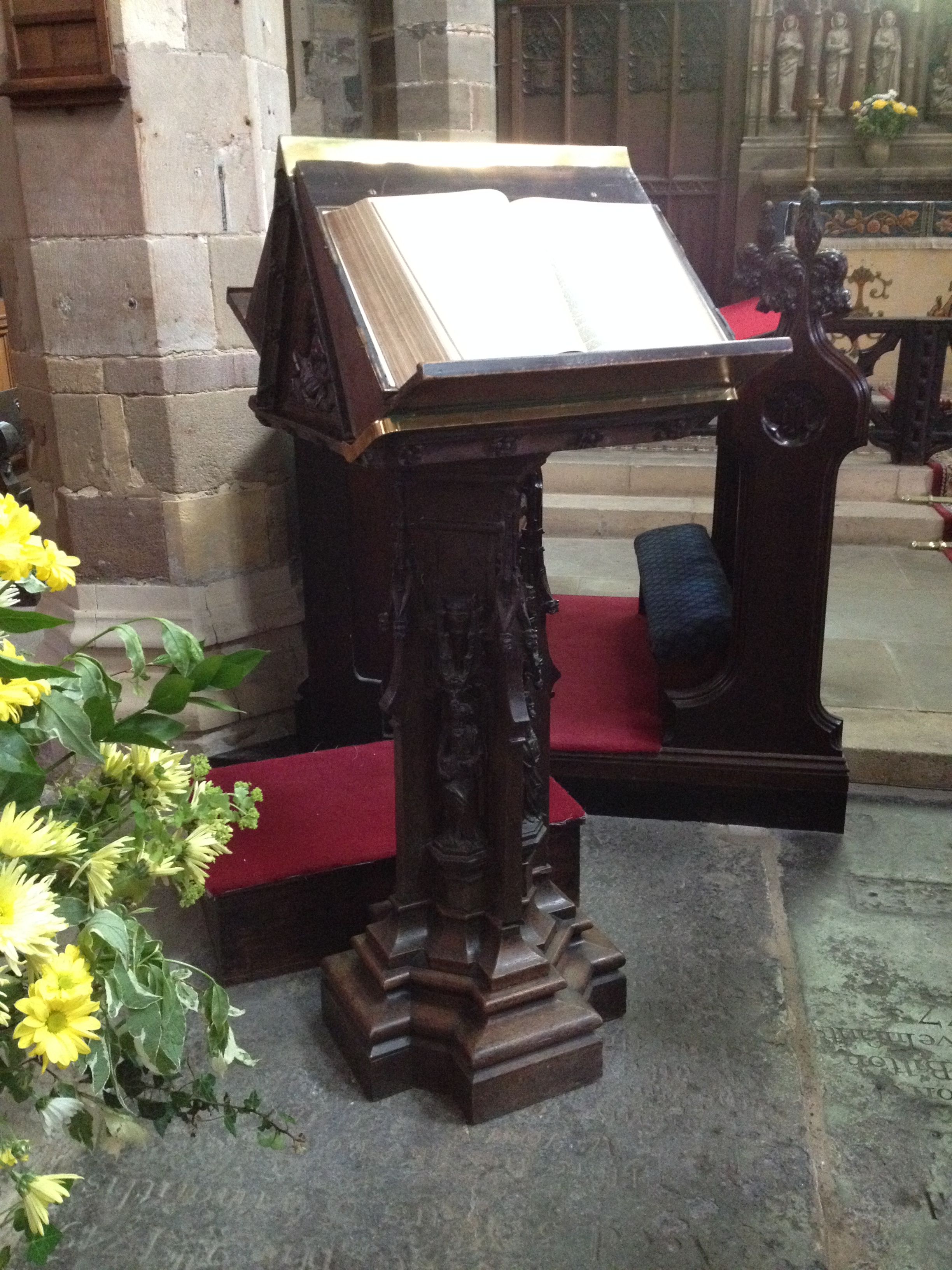
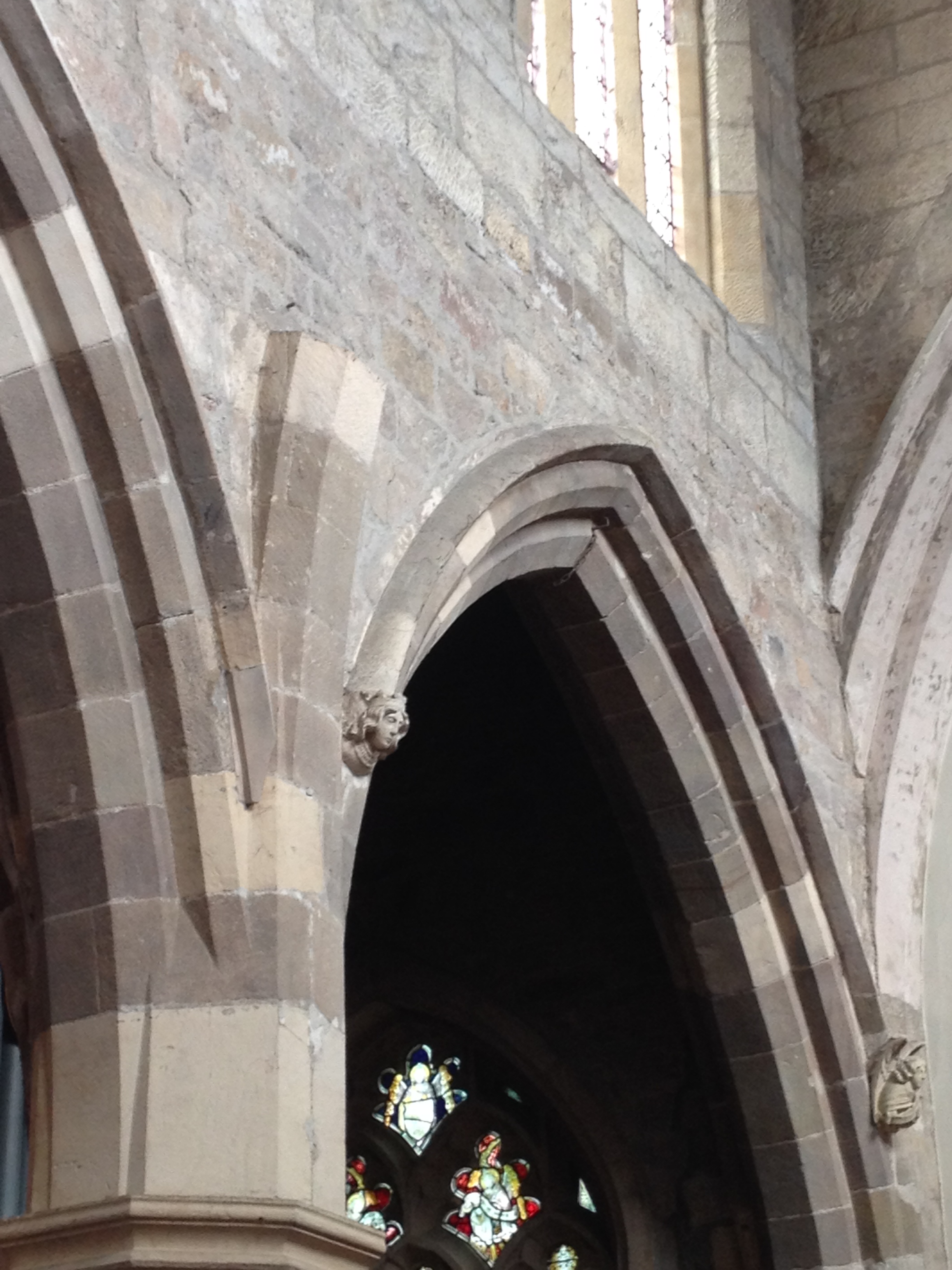
You can see where the chancel arch was removed.
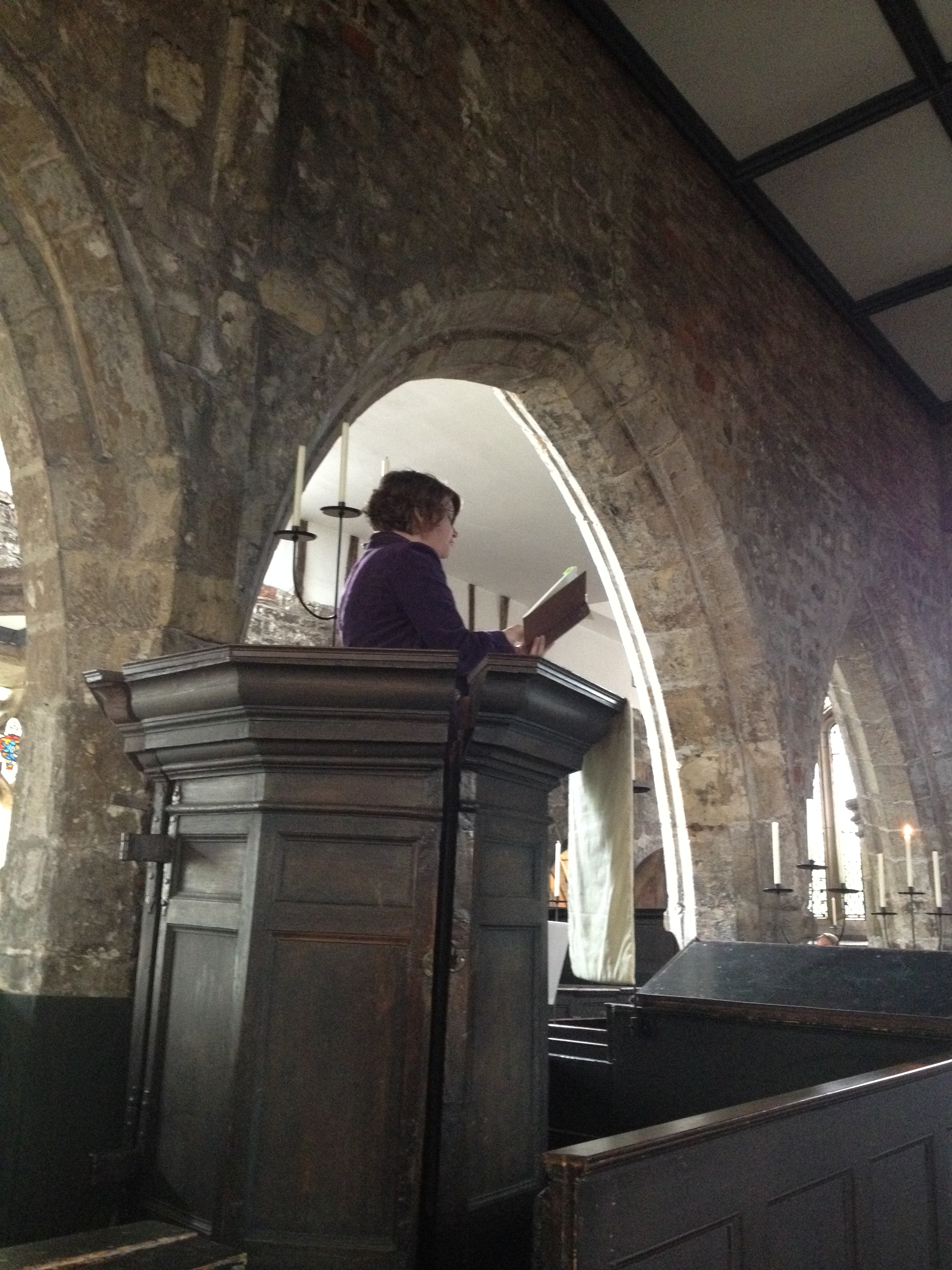
Trinity Goodramgate preserves its nineteenth-century box pews. These must have been great for young children–you could just stick them in and shut the door. The church’s east window also contains one of the few visual images of the Trinity to survive the Reformation. The last photo is of one of our seminar participants reading to us from the pulpit (selections from the Prick of Conscience in Middle English!).
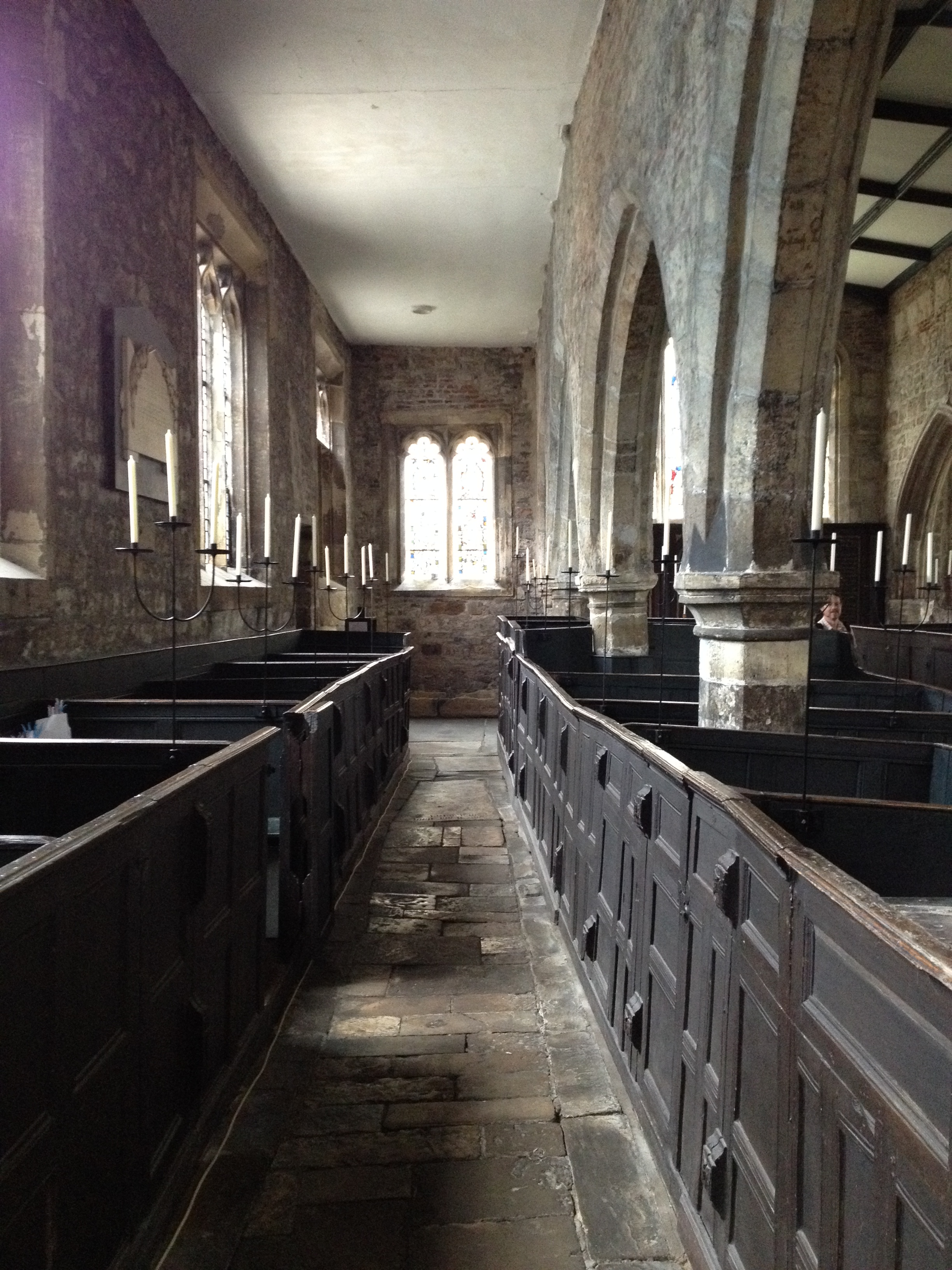
Box pews!
Comments are closed, but trackbacks and pingbacks are open.